

Blog
Top services in Iran

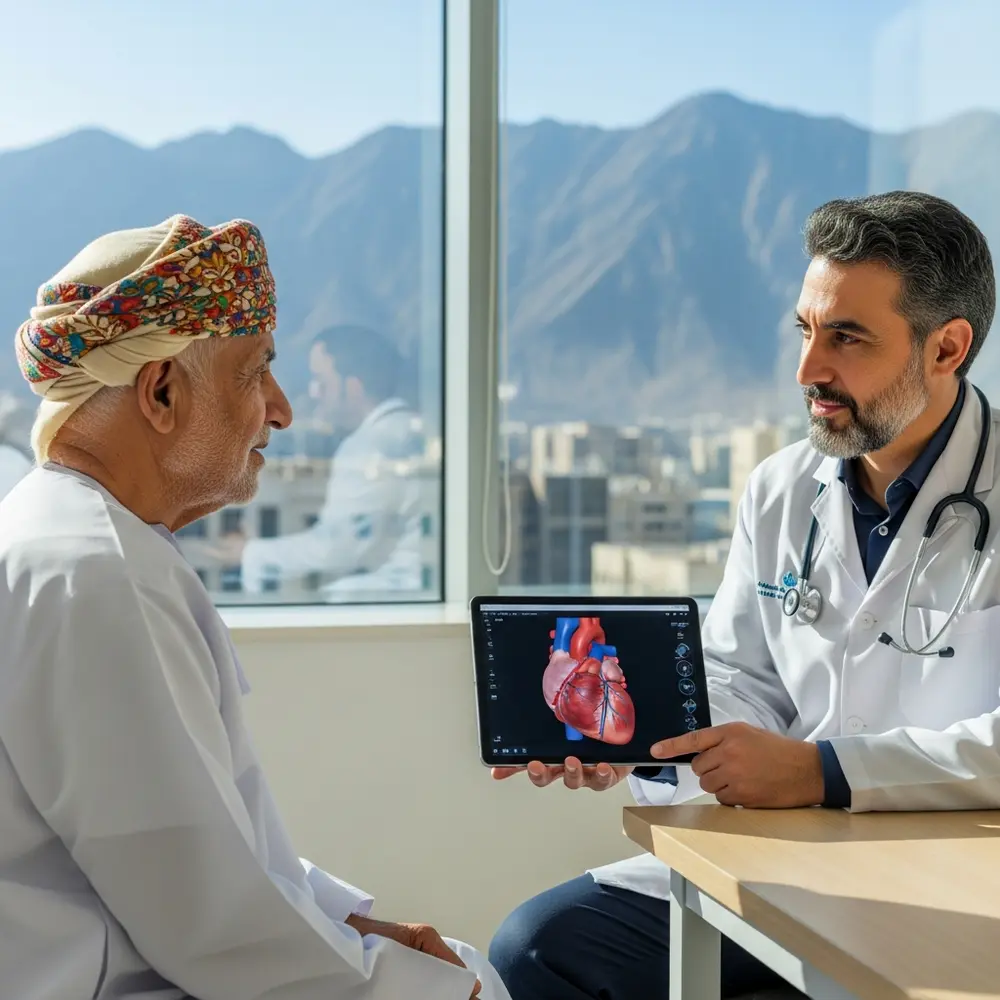
For many Omani patients and their families, the journey toward cardiac recovery is often more than just a medical decision; it is a quest for trust, expertise, and a sense of belonging. When a loved one is diagnosed with a complex heart condition, the search for the best possible care frequently leads beyond the borders of the Sultanate. While Oman has made significant strides in its domestic healthcare infrastructure, the sheer volume and complexity of advanced cardiac interventions often necessitate looking at regional powerhouses. Among the top contenders for this specialty, Iran has emerged as a beacon of excellence in cardiac care, offering a unique blend of world-class surgical expertise, cutting-edge technology, and a deep cultural resonance that makes Omani patients feel right at home. In fact, the bridge between Muscat and Tehran is not just built on trade, but on a shared commitment to restoring health and vitality to those suffering from cardiovascular ailments.
In this comprehensive guide, we will explore the multifaceted reasons why Iran has become a primary destination for Omani heart patients. From the intricate techniques of bypass surgery and valve replacements to the nuances of pediatric cardiology, the Iranian medical landscape is a sophisticated tapestry of innovation. We will also delve into the logistical ease of travel, the significant cost advantages without compromising quality, and how dedicated medical tourism services can transform a daunting medical trip into a seamless experience of healing and hope.
1. Cardiology
Comprehensive diagnostic and therapeutic services for heart-related conditions, including non-invasive testing (ECG, Echocardiography), management of hypertension, and treatment of coronary artery diseases using state-of-the-art cardiovascular technology.
2. Obstetrics and Gynecology
Full-spectrum reproductive healthcare for women of all ages. This includes prenatal and postnatal care, gynecological surgeries, routine screenings, and specialized treatments for menopause and hormonal imbalances.
3. Ear, Nose, and Throat – ENT
Specialized medical and surgical management of disorders affecting the ear, nose, throat, and related structures of the head and neck, including sinus treatments, hearing loss management, and voice disorders.
4. Pediatrics
Dedicated healthcare services for infants, children, and adolescents. Our pediatricians focus on physical, emotional, and social health, including routine vaccinations, growth monitoring, and treatment of acute and chronic childhood illnesses.
5. Kidney Transplant
A highly specialized program featuring a multidisciplinary team of surgeons and nephrologists. We provide comprehensive care from pre-transplant evaluation and donor matching to complex surgical procedures and long-term post-operative recovery.
6. Ophthalmology
Advanced eye care ranging from routine vision exams and prescription lenses to sophisticated surgical procedures like cataract surgery, LASIK, and treatments for glaucoma and retinal disorders.
7. Aesthetic Medicine
Innovative non-surgical and minimally invasive procedures designed to enhance physical appearance and rejuvenate the skin. Services include laser therapy, injectable treatments (Botox/fillers), and medical-grade skin care.
8. Oncology
Integrated cancer care focusing on early detection, precise diagnosis, and personalized treatment plans involving chemotherapy, targeted therapy, and supportive care within a compassionate environment.
9. Water Birth
A natural and gentle birthing option facilitated in a specialized birthing pool. This method is designed to provide natural pain relief, promote relaxation, and ensure a serene transition for the newborn.
10. Infertility Treatment
Advanced reproductive technologies (ART) to help couples achieve their dream of parenthood. Services include IVF, IUI, hormonal therapy, and comprehensive fertility evaluations.
11. Urology
Diagnosis and treatment of diseases involving the male and female urinary tract and the male reproductive organs, including kidney stones, prostate health, and bladder disorders.
12. Orthopedics
Expert care for the musculoskeletal system. We specialize in joint replacements, sports medicine, spinal surgery, and the treatment of fractures and degenerative bone conditions.
13. Neonatology
Subspecialized care for newborn infants, particularly the ill or premature. Our Neonatal Intensive Care Unit (NICU) is equipped with advanced life-support technology and expert medical staff.
14. General Surgery
A broad range of surgical interventions focusing on the abdominal contents, endocrine system, and soft tissues, utilizing both traditional and minimally invasive (laparoscopic) techniques.
15. Neurosurgery
High-precision surgical management of disorders affecting the brain, spinal cord, and peripheral nerves, including tumor removal, spinal reconstruction, and neuro-vascular procedures.
16. Gastroenterology
Comprehensive management of digestive system disorders. Our services include endoscopy, colonoscopy, and the treatment of liver, gallbladder, and gastrointestinal diseases.
17. Psychiatry
Specialized mental health services focusing on the diagnosis, prevention, and treatment of emotional and behavioral disorders through a combination of psychotherapy and pharmacological management.
18. Physiotherapy
Professional rehabilitation services aimed at restoring movement and function after injury or surgery. We use evidence-based exercises, manual therapy, and advanced modalities to improve quality of life.
19. Wellness Services
A holistic approach to health focusing on prevention and lifestyle optimization. Services include nutritional counseling, stress management, preventive screenings, and overall health coaching.
In the Medical Tourism section, please remove the stethoscope and mask images from the corresponding page.
State-of-the-Art Facilities and Advanced Procedures
One cannot discuss cardiac care in Iran without highlighting the sophisticated infrastructure available in cities like Tehran, Shiraz, and Mashhad. These cities host specialized heart hospitals that are exclusively dedicated to cardiovascular health. These institutions are equipped with the latest “Hybrid Operating Rooms,” where surgeons and interventional cardiologists can work simultaneously on a patient. This technology is crucial for complex procedures like TAVI (Transcatheter Aortic Valve Implantation), which allows for valve replacement without the need for traditional open-heart surgery—a blessing for elderly patients who might not withstand an invasive procedure.
Omani patients also benefit from the widespread availability of minimally invasive cardiac surgery (MICS). Instead of a large incision through the breastbone, surgeons use smaller ports to access the heart. This results in less pain, a significantly lower risk of infection, and a much faster return to daily life in Oman. Let’s be honest, the thought of open-heart surgery is terrifying for anyone. Knowing that there are options that prioritize a quicker recovery and less scarring is a major relief for patients and their families. Moreover, the diagnostic capabilities—ranging from 256-slice CT angiography to advanced cardiac MRI—ensure that every treatment plan is tailored to the patient’s specific pathology.
A Closer Look at Pediatric Cardiac Care
One of the most sensitive areas of medicine is pediatric cardiology. When a child is born with a congenital heart defect, the emotional and financial toll on an Omani family can be immense. Iran has established several world-renowned centers for pediatric heart surgery that specialize in treating even the tiniest of infants. The success rates for procedures like the repair of Tetralogy of Fallot or the Fontan procedure in Iran are comparable to the highest international standards. These centers are designed with a family-centric approach, recognizing that the emotional well-being of the parents is just as important as the clinical success of the child’s surgery.
The availability of such specialized care is a game-changer for many. Instead of waiting for months on end for a slot in a distant Western hospital, Omani families can find immediate and expert interventions in Iran. The proximity allows for easier family visitation, which is vital for a child’s recovery. This is where affordable healthcare solutions become more than just a financial metric; they become a lifeline for families who need urgent, high-quality care for their children.
The Role of Kandil Albhr in the Patient Journey
Navigating a foreign medical system can be overwhelming, especially when dealing with something as critical as heart health. Language barriers, hospital paperwork, and travel logistics can add unnecessary stress to an already difficult situation. This is where the expertise of Kandil Albhr becomes invaluable. As a bridge between Omani patients and the best Iranian medical institutions, the company ensures that every detail of the trip is handled with professionalism and care. From coordinating initial consultations with top cardiologists to managing hospital admissions and post-operative follow-ups, their involvement allows the patient to focus entirely on recovery.
By choosing a dedicated facilitator, patients gain access to a curated network of hospitals that meet strict quality standards. Kandil Albhr understands the specific needs of Omani citizens, including dietary preferences, the importance of prayer facilities, and the desire for high-end accommodation. This holistic approach to specialized medical travel ensures that the medical journey is not just a transaction, but a supported experience from the moment the patient leaves Muscat until they return home safely.
Cultural Synergy: Feeling at Home While Healing
One often overlooked aspect of medical tourism is the cultural comfort of the patient. For an Omani, traveling to a Western country for surgery can feel alienating. The food is different, the language is a barrier, and the social norms can feel cold or impersonal. Iran, however, offers a strikingly different experience. The historical ties between the two nations have fostered a deep sense of mutual respect and cultural affinity. Omani patients often find that Iranian hospital staff are exceptionally warm and hospitable, often going out of their way to ensure the comfort of their guests.
Food is another major factor. Halal options are the standard, and the flavors of Iranian cuisine are often familiar and comforting to the Omani palate. Furthermore, the presence of many Arabic-speaking staff members in major hospitals eliminates the anxiety of miscommunication. When a doctor can explain a procedure in a language the patient understands, it builds a level of trust that is essential for the healing process. This cultural synergy is a significant reason why many Omanis choose Iran over other regional competitors.
Cost Comparison: World-Class Care Without the Financial Burden
Let’s talk about the elephant in the room: the cost of healthcare. Heart surgeries are notoriously expensive. In many parts of the world, a single bypass surgery can cost upwards of fifty thousand dollars, putting a massive strain on family finances. Iran offers a compelling alternative. Due to the favorable exchange rate and the efficiency of their medical system, cardiac procedures in Iran are significantly more affordable than in the GCC, Europe, or North America—often costing 60% to 80% less for the exact same quality of care.
However, it is important to clarify that “affordable” does not mean “cheap” in terms of quality. The lower price point is a result of lower labor costs and local manufacturing of many medical consumables, not a compromise on surgical standards. For an Omani patient, this means they can afford the best surgeons and the most advanced technology without the looming shadow of debt. This financial accessibility is a cornerstone of why healthcare facilitators emphasize Iran as a premier destination for those seeking value without compromising on their health outcomes.
Logistics and Travel: The Ease of the Muscat-Tehran Connection
Convenience is a major factor in choosing a medical destination. For Omani residents, the ease of obtaining a visa for Iran is a significant advantage. The streamlined process, often involving e-visas or visas on arrival for certain categories, makes it one of the most accessible destinations for urgent medical needs. Direct flights from Muscat to Tehran, Shiraz, and Mashhad mean that a patient can be in the care of a specialist within a few hours of leaving their home.
The recovery phase is also well-supported. Many patients choose to stay in Iran for a few weeks post-surgery for rehabilitation. The country’s diverse climate, from the cool mountains of the north to the historic beauty of Shiraz, provides a serene environment for convalescence. Having a professional team handle the logistics—from airport transfers to booking “recovery-friendly” hotels—ensures that the physical strain of travel is kept to an absolute minimum.
The Importance of Comprehensive Aftercare
The successful completion of a heart surgery is only the beginning of the journey. The real work of maintaining heart health happens in the months and years following the procedure. Iranian heart centers are known for their comprehensive discharge planning and aftercare instructions. Omani patients receive detailed reports, imaging results, and medication schedules that can be shared with their local doctors in Oman for continued monitoring.
Many Iranian specialists also offer tele-medicine follow-ups. This means that once the patient returns to Oman, they can still consult with their surgeon via video call to discuss their progress or adjust medications. This continuity of care is vital for long-term success. It provides a safety net that ensures the patient never feels abandoned after they leave the hospital. When combined with the local support in Oman, this international collaboration creates a robust health management system for the patient.
Choosing the Right Hospital: What to Look For
While Iran has many excellent hospitals, it is crucial for Omani patients to choose the right one for their specific needs. Not all hospitals are created equal, and some specialize more in interventional cardiology (like stents) while others are famous for complex cardiac transplants or pediatric cases. Patients should look for hospitals that have international accreditations or are affiliated with major research universities. Checking the “Patient Volume” and “Success Rates” for specific procedures is also a wise move.
Questions to ask include: How many bypass surgeries does this surgeon perform per year? What is the hospital’s infection rate? Does the facility have a 24/7 dedicated cardiac ICU? By asking these questions—or having a facilitator do the vetting—patients can ensure they are being treated in a facility that ranks among the best in the world. The peace of mind that comes from knowing you are in a “Center of Excellence” is immeasurable when dealing with heart health.
Conclusion: A Path to a Healthier Heart
In conclusion, the decision to seek cardiac care in Iran is one backed by logic, clinical evidence, and cultural comfort. For Omani patients, the combination of highly skilled surgeons, cutting-edge medical technology, and significant cost savings makes it an unrivaled choice in the region. The journey from the Sultanate to Iran’s leading heart centers is a well-trodden path that has saved countless lives and restored the quality of life for thousands of individuals. By bridging the gap between two nations with a shared history, medical tourism has created a landscape where the best heart care is accessible, affordable, and deeply humane.
Whether you are considering a routine check-up or a life-saving surgical intervention, the expertise available in Iran offers a beacon of hope. With the right guidance and the support of experienced partners, the road to recovery is clearer than ever. Taking that first step toward better heart health is a commitment to yourself and your family—and in the world-class hospitals of Iran, you will find a team of experts ready to walk that path with you. The future of cardiac care is not just about survival; it is about thriving, and for many Omanis, that future begins with a flight to Iran.