
Blog
Hair Transplant in Iran: A Guide for Omanis

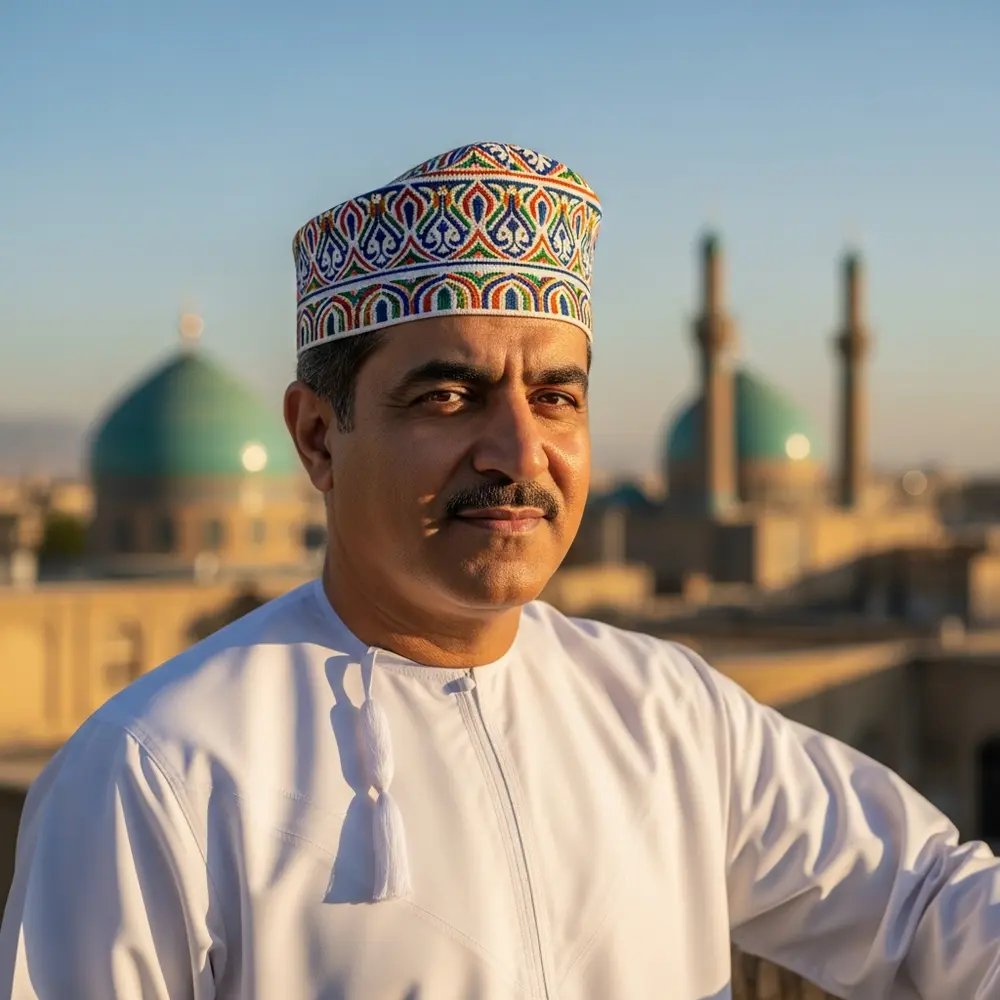
For many Omani men and women, the mirror can sometimes become a source of subtle anxiety. As the years pass, the once-thick mane of hair might begin to thin, or the hairline might start its slow, unwelcome retreat. It is a universal experience, yet it feels deeply personal. While hair loss is a natural part of aging for many, or perhaps a result of genetics and the harsh desert climate of the Gulf, the desire to reclaim one’s confidence is just as natural. This is where the conversation inevitably turns toward medical tourism, and more specifically, toward a neighbor just across the water: Iran.
In recent years, Iran has emerged as a global powerhouse for cosmetic procedures, with hair transplantation leading the charge. For citizens of the Sultanate of Oman, the choice of Iran isn’t just about proximity; it’s about a unique intersection of world-class medical expertise, cutting-edge technology, and costs that are significantly more accessible than those found in Europe or even within the GCC. But why has this specific path become so well-trodden? Is it really worth the journey from Muscat or Salalah to Tehran or Shiraz? In this comprehensive guide, we will explore everything an Omani traveler needs to know about undergoing a hair transplant in Iran, from the technical methods used to the logistical details that ensure a smooth experience.
The Cultural and Geographic Connection
Let’s be honest: traveling abroad for surgery can be a daunting prospect. However, for Omanis, Iran doesn’t feel like a world away. There is a long-standing historical and cultural tie between the two nations that makes the transition much easier. Many Omanis find the hospitality in Iran to be remarkably similar to their own. Whether you are walking through the vibrant streets of Shiraz—a city incredibly popular with Omani medical tourists—or navigating the bustling avenues of Tehran, there is a sense of familiarity in the respect and warmth shown to guests.
Furthermore, the logistics of travel are surprisingly simple. Direct flights from Muscat to various Iranian cities are frequent and relatively short, often taking less than two hours. This proximity is vital when you consider that a hair transplant is a surgical procedure. The last thing a patient wants after a long day in the clinic is a grueling ten-hour multi-leg flight. Instead, you can have your procedure and be back in the comfort of your own home within a matter of days, or choose to spend a week relaxing in the cooler Iranian climate as you begin your initial recovery.
Why Iran Stands Out in the Global Market
You might wonder, with so many options available globally, why Iran? The answer lies in the sheer volume of procedures performed. Iranian surgeons are among the most experienced in the world, simply because they perform these surgeries every single day. In the medical field, volume often equates to refined skill. When a surgeon has performed thousands of transplants, they develop an artistic eye for hairline design and a technical precision that minimizes graft wastage. This level of mastery is exactly what you should look for when seeking the best hair restoration services available today.
Moreover, Iran has invested heavily in its medical infrastructure. The clinics in major cities are equipped with the latest technology, often matching or exceeding the standards found in Western clinics. But the real “pull factor” for most is the price-to-quality ratio. While a high-quality transplant in the UK or the USA might cost upwards of $10,000 to $15,000, the same—or often better—results can be achieved in Iran for a fraction of that cost. For an Omani patient, this means being able to afford the highest tier of treatment without compromising on safety or results.
The Science of the Strands: Common Techniques
Understanding the “how” is just as important as the “where.” If you are considering this journey, you will likely encounter several acronyms like FUE, FUT, and DHI. Let’s break these down into plain language. The most common method today is Follicular Unit Extraction (FUE). In this process, individual hair follicles are harvested from a “donor area” (usually the back of the head where hair is most resistant to balding) and then meticulously implanted into the thinning areas. It is a minimally invasive technique that leaves no linear scars, which is a major plus for those who prefer to keep their hair short.
Then there is the DHI (Direct Hair Implantation) method, which is essentially an evolution of FUE. Using a specialized tool known as a Choi Pen, the surgeon can harvest and graft the hair simultaneously. This reduces the time the follicles spend outside the body, potentially increasing the survival rate of the grafts. For many seeking affordable hair transplant options, discussing these various techniques with a specialist is the first step toward a customized plan that fits both their scalp’s needs and their budget.
Another popular technique in Iran is the SUT method. This is an automated version of FUE that uses specialized devices to speed up the extraction process while maintaining high precision. Iranian clinics have pioneered many of these refinements, ensuring that the procedure is as comfortable as possible for the patient. On the other hand, the traditional FUT (Follicular Unit Transplantation) or “strip” method is still used in specific cases where a large number of grafts are needed in a single session, though its popularity has waned in favor of the newer, scarless techniques.
Navigating the Process: From Muscat to the Clinic
So, how does an Omani citizen actually begin this journey? It usually starts with a digital consultation. Most reputable Iranian clinics or facilitators allow patients to send photos of their head via WhatsApp or email. A surgeon then reviews these photos to estimate the number of grafts needed and provide a preliminary quote. This stage is crucial because it sets realistic expectations. Let’s be realistic: if you have extensive baldness, one session might not give you the thick mane of a teenager, but it can certainly transform your appearance and frame your face better.
Once you’ve decided to move forward, the logistics come into play. This is where having a professional medical tourism guide becomes invaluable. Navigating a foreign healthcare system, even one as welcoming as Iran’s, can be tricky. From securing a medical visa (which is often streamlined for Omanis) to arranging airport transfers and choosing a hotel that is “recovery-friendly,” the details matter. Many patients find that booking a package deal is the most stress-free way to handle the trip. These packages often include the procedure, medications, luxury accommodation, and a dedicated translator who stays with you throughout the clinical visits.
The Role of Kandil Albhr in Your Journey
When planning such an important medical step, the quality of your facilitator can make or break the experience. This is where Kandil Albhr enters the picture. As a dedicated service provider, they bridge the gap between Omani patients and the top-tier medical facilities in Iran. Their expertise lies in understanding the specific needs and preferences of Omani clients, ensuring that every aspect of the trip—from the initial flight to the final post-operative check-up—is handled with the utmost care and professionalism. By partnering with only the most reputable surgeons, they ensure that their clients have access to quality hair transplant clinics that prioritize patient safety and natural-looking results.
In fact, many Omanis choose to work with a facilitator like Kandil Albhr because it removes the language barrier and the uncertainty of “hidden costs.” Knowing that your transportation, local sim card, and even your post-op meals are coordinated allows you to focus entirely on your recovery. It’s about peace of mind. After all, you aren’t just buying a surgery; you are investing in a new version of yourself.
What to Expect on Surgery Day
The day of the transplant is often an early start. You’ll head to the clinic, where the surgeon will finalize the hairline design. This is a collaborative process. They will use a marker to draw the proposed hairline, and you should feel empowered to give your input. Do you want a conservative, mature hairline? Or something a bit lower? Once the design is agreed upon, the area is numbed using local anesthesia. This is usually the only part of the day that involves any discomfort—a few quick stings as the numbing agent is applied.
After that, the procedure is quite repetitive and, believe it or not, relaxing. Most patients spend the hours listening to music, watching a movie, or even napping while the medical team works diligently. Depending on the number of grafts, the process can take anywhere from four to eight hours. Lunch is usually provided, and short breaks are encouraged. By the end of the day, your head will be bandaged, and you’ll receive a detailed set of instructions on how to sleep and wash your hair in the coming days. It’s a marathon, not a sprint, but the hard part is over.
Recovery and the “Ugly Duckling” Phase
The first week after the transplant is the most critical. You’ll need to sleep with your head slightly elevated to minimize swelling. Small scabs will form around the implanted follicles—this is a normal part of the healing process. Many Omani patients choose to stay in Iran for a few extra days during this period, enjoying the mild weather and the sights of cities like Shiraz or Isfahan, while wearing a loose-fitting hat or the provided medical headband.
However, there is a phase every patient must prepare for mentally: the “shock loss” phase. About two to four weeks after the procedure, the newly transplanted hair will actually fall out. Do not panic! This is perfectly normal. The follicle remains healthy under the skin; it is simply the hair shaft that is shedding due to the trauma of the move. This is often called the “ugly duckling” phase because you might look much like you did before the surgery. But patience is a virtue here. By month three or four, fine new hairs will begin to sprout, and by the one-year mark, you will see the full, final result of your hair loss treatment solutions.
Comparing Costs: Why Iran is the Logical Choice
Let’s talk numbers. Cost is a major factor for anyone considering elective surgery. In Oman, while there are talented dermatologists, the cost of a full hair transplant can be quite high due to the overhead costs of clinics in the region. Turkey is another popular destination, but as its popularity has skyrocketed, so have its prices, and in some cases, the “factory-style” clinics there have led to a dip in personalized care. Iran sits in the “sweet spot.”
The Iranian Rial’s exchange rate makes the procedure incredibly affordable for those earning in Omani Rials. You can often get a premium, boutique-style experience in Iran—where the head surgeon performs the majority of the work themselves—for less than half of what you would pay for a technician-led procedure elsewhere. When you factor in the low cost of high-end hotels and delicious Iranian cuisine, the entire trip becomes a cost-effective investment in your self-esteem.
The Importance of Post-Operative Care
The surgery is only half the battle. What you do in the months following your trip to Iran determines the longevity of your results. Following the clinic’s advice on shampoos, avoiding direct sunlight on the scalp, and perhaps continuing with treatments like PRP (Platelet-Rich Plasma) or certain vitamins can make a significant difference. Most Iranian clinics provide a direct line of communication for post-op questions, allowing you to send photos of your progress from Muscat and receive expert feedback.
It is also important to maintain a healthy lifestyle. The harsh summer heat in Oman can be tough on the skin and hair, so wearing hats and staying hydrated is key. Think of your new hair as a garden; the surgeon has planted the seeds, but you must provide the water and the right environment for them to grow. With the right care, these transplanted hairs are permanent, as they are taken from areas genetically programmed to never fall out.
Safety and Quality Standards
A common question asked by many is, “Is it safe?” The answer is a resounding yes, provided you do your homework. Iran’s Ministry of Health maintains strict regulations on surgical centers. When you choose a reputable clinic through a facilitator, you are ensuring that the environment is sterile and the equipment is modern. The medical education system in Iran is rigorous, and doctors there are held to very high standards. For an Omani traveler, this provides a level of security that is essential when undergoing any medical procedure abroad.
Furthermore, the high level of competition between clinics in cities like Tehran and Shiraz means that they are constantly vying to offer the best results and the most comfortable experiences. This competition benefits the patient, leading to better service and more innovative techniques. By choosing to go where the experts are, you are significantly reducing the risk of complications or unsatisfactory results.
Conclusion: A New Chapter Awaits
Deciding to undergo a hair transplant is more than just a cosmetic choice; it’s about how you feel when you wake up and look in the mirror every morning. It’s about the confidence to step into a boardroom, a social gathering, or a family event without a second thought about your hair. For Omanis, Iran offers a bridge to that confidence—a bridge built on medical excellence, cultural affinity, and exceptional value.
From the initial digital consultation to the final growth of your new hair, the journey is a transformative one. With the support of experienced facilitators and the skill of world-class surgeons, the process is safer and more accessible than ever before. If you have been on the fence about addressing your hair loss, perhaps it is time to look toward the horizon. The solution might be just a short flight away across the Gulf. By choosing the right partners and the right destination, you aren’t just restoring your hair; you are reclaiming your best self. The results speak for themselves, and for many, the only regret they have is not making the trip sooner.